
How to Clean Mold & Mildew on Travertine Stone
A complete guide to safely removing mold from natural stone surfaces
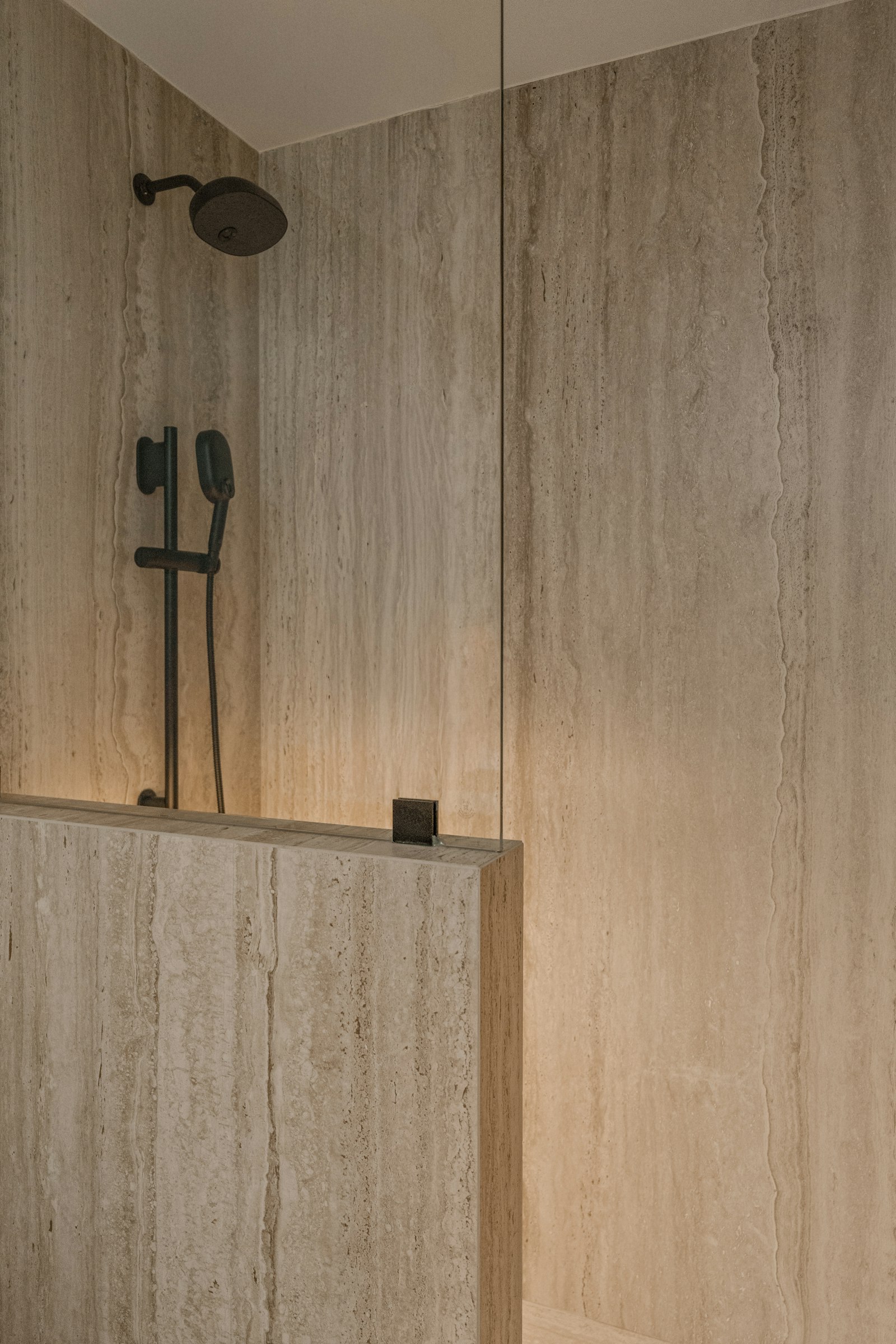
A: Travertine is a porous natural limestone that requires special care when cleaning mold. Harsh chemicals like bleach, vinegar, or ammonia will etch and permanently damage the stone surface. The key is using pH-neutral, stone-safe products specifically formulated for natural stone.
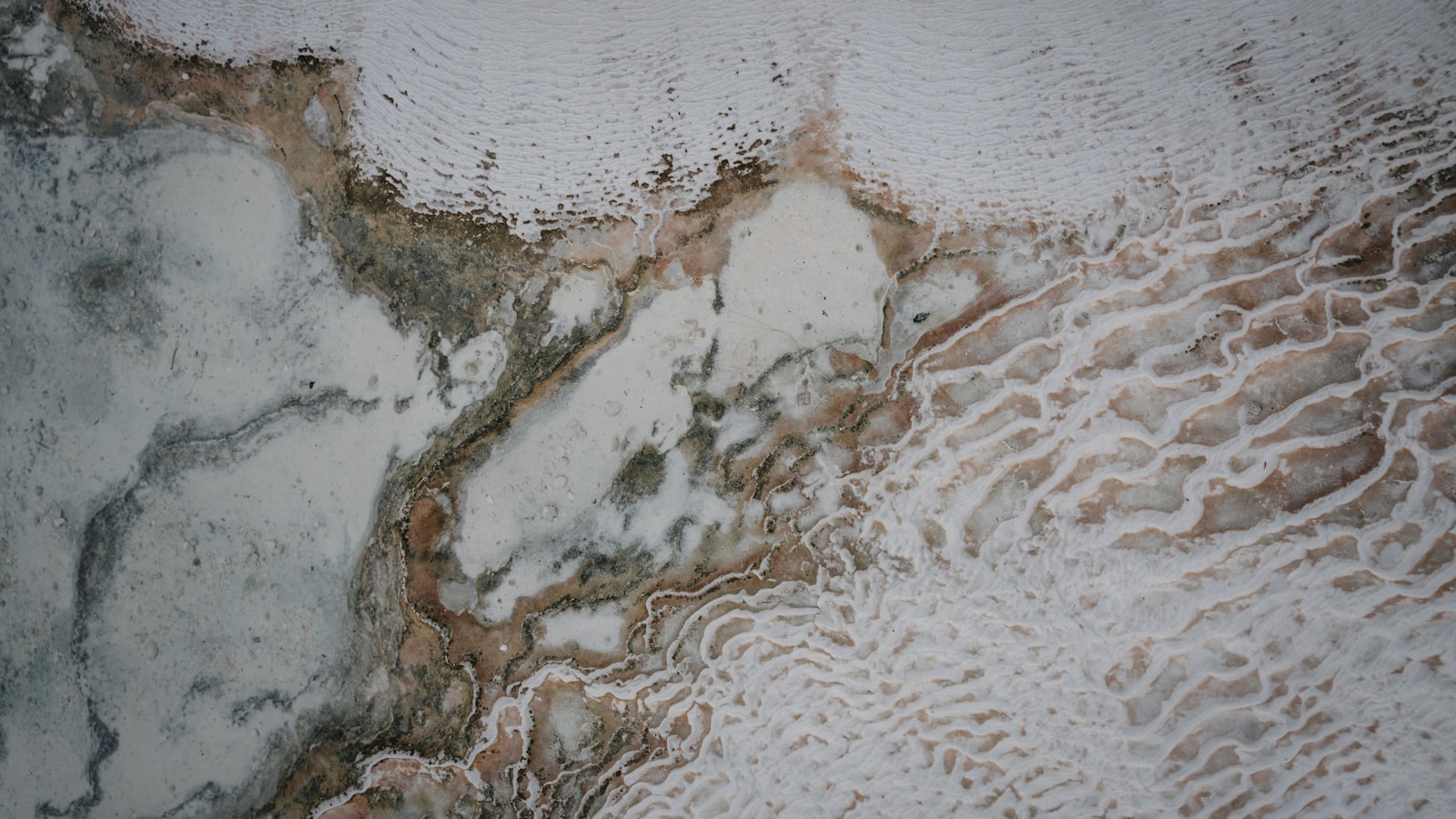
Travertine’s porous surface requires gentle, stone-safe cleaning methods
Step-by-Step Mold Removal Guide
Step 1: Dry & Ventilate
Mold needs moisture to survive. Before applying any cleaner:
- Dry the affected area completely with a soft cloth or towel
- Improve ventilation — open windows, run fans, or use a dehumidifier
- Fix any leaky fixtures or failed caulk that may be feeding the mold
Step 2: Choose the Right Cleaner
Only use cleaners specifically labeled safe for natural stone. Recommended products include:
- DuPont™ StoneTech® Professional Mold & Mildew Stain Remover — specifically formulated for travertine, marble, granite, and limestone
- Lithofin MN Power-Clean — diluted 1:3 with water for light cases
- PH-neutral stone cleaner — for regular maintenance and light mold
- 3% hydrogen peroxide — can be used for spot treatment on sealed travertine (rinse thoroughly)
Step 3: Clean Gently
- Sweep or vacuum loose debris from the area
- Apply the stone-safe cleaner directly to the moldy area
- Gently scrub with a non-abrasive sponge or stiff nylon brush (never use steel wool or abrasive pads)
- Let the cleaner sit for 5-10 minutes (follow product instructions)
- Rinse thoroughly with clean water
- Repeat for heavily soiled areas if needed
- Always test in an inconspicuous spot first
What NOT to Do
| Avoid | Why |
|---|---|
| Bleach, ammonia, vinegar, or acidic bathroom mold removers | These etch and permanently damage travertine |
| Abrasive pads, steel wool, metal tools, stiff brushes | They scratch and dull the polished surface |
| Aggressive scrubbing on polished travertine | Can cause loss of clarity and shine |
| Sealing over active moisture or recurring mold | Traps the problem underneath the sealer |
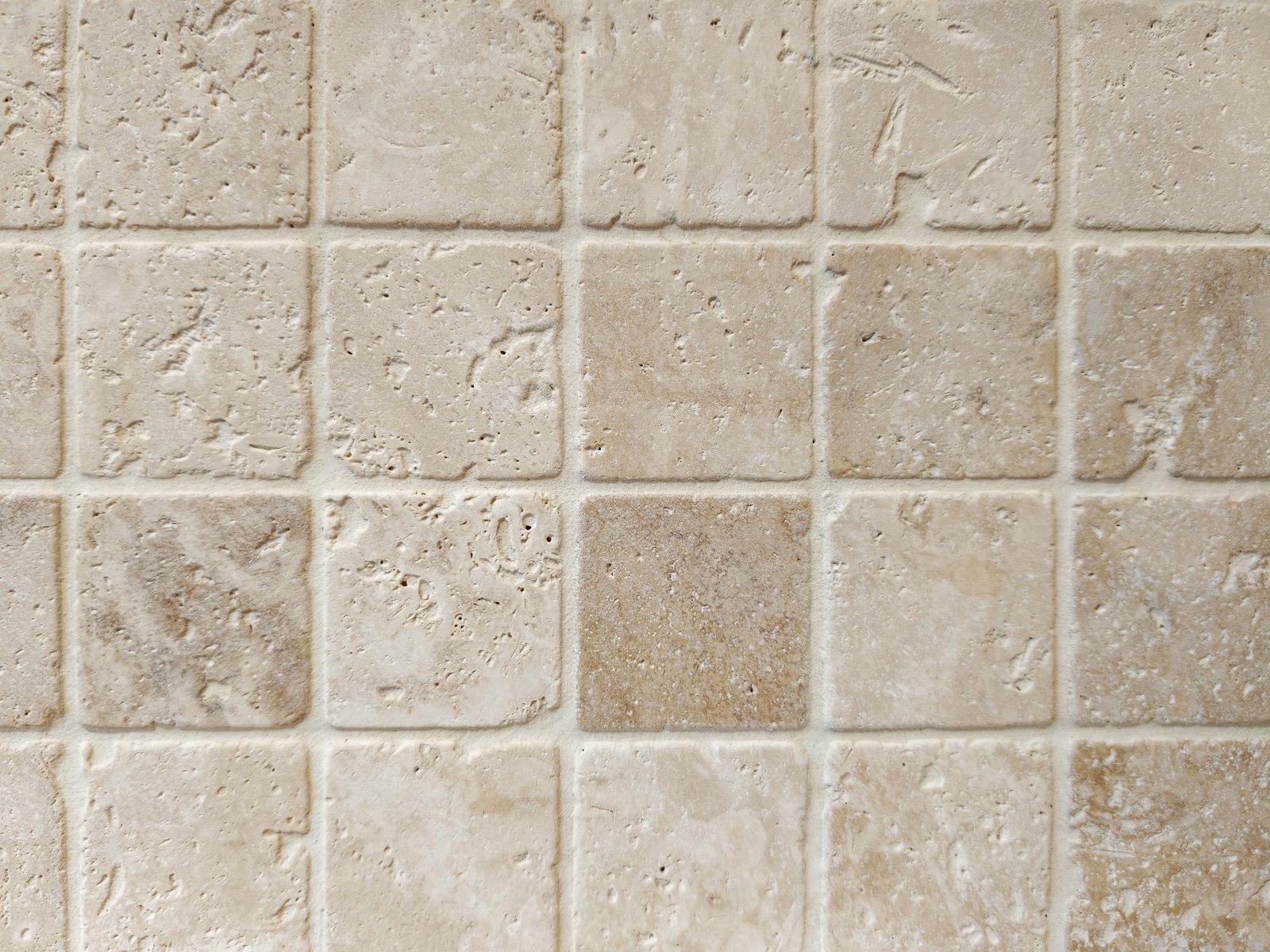
Well-maintained travertine tile — regular care prevents mold buildup
Preventing Future Mold on Travertine
- Improve ventilation — Use exhaust fans, open windows, or install a ventilation system in bathrooms and damp areas
- Fix moisture problems — Repair leaky faucets, pipes, and failed caulk or grout promptly
- Wipe down surfaces — After each use, wipe wet travertine surfaces with a squeegee or soft cloth
- Use a stone-safe sealer — After cleaning and thorough drying (allow several days of drying time), apply a high-quality stone sealer such as Lithofin MN Stain-Stop or StoneTech® BulletProof® Sealer
- Reseal regularly — Travertine should be resealed every 6-12 months depending on wear and location
- For outdoor travertine — Apply Lithofin ALGEX twice a year to prevent algae and moss growth
When to Call a Professional
Contact a professional stone restoration specialist if:
- Mold or mildew keeps returning despite proper cleaning and drying
- Dark patches remain even when the stone is fully dry (may indicate deep staining or trapped moisture)
- There may be trapped moisture behind or within the stone
- The travertine surface needs professional re-honing or polishing
Travertine Care Summary
| Do | Don’t |
|---|---|
| Use pH-neutral or stone-specific cleaners | Use vinegar, bleach, or ammonia |
| Scrub with soft brush or non-abrasive sponge | Use steel wool or stiff abrasive pads |
| Rinse thoroughly after cleaning | Let cleaner dry on the surface |
| Test in an inconspicuous area first | Assume all “natural” cleaners are stone-safe |
| Seal travertine every 6-12 months | Skip sealing in damp areas like showers |
How To Clean Mold & Mildew On Stone — quick facts
Answer: How To Clean Mold & Mildew On Stone is available from JINGYU Luxury Stone (since 2003) as premium travertine for kitchens, baths, feature walls, and custom projects. Primary topic: how to clean mold & mildew on stone travertine slabs.
- Factory-direct selection with export packing for international shipments
- Typical inquiry details: thickness (often 2 cm / 3 cm), finish, and project city
- Contact: jingyustone@gmail.com · +86 139 0602 3221