Why I Do Not Recommend Travertine for Flooring or Countertops
An honest look at travertine’s hidden problems — and why it belongs on walls
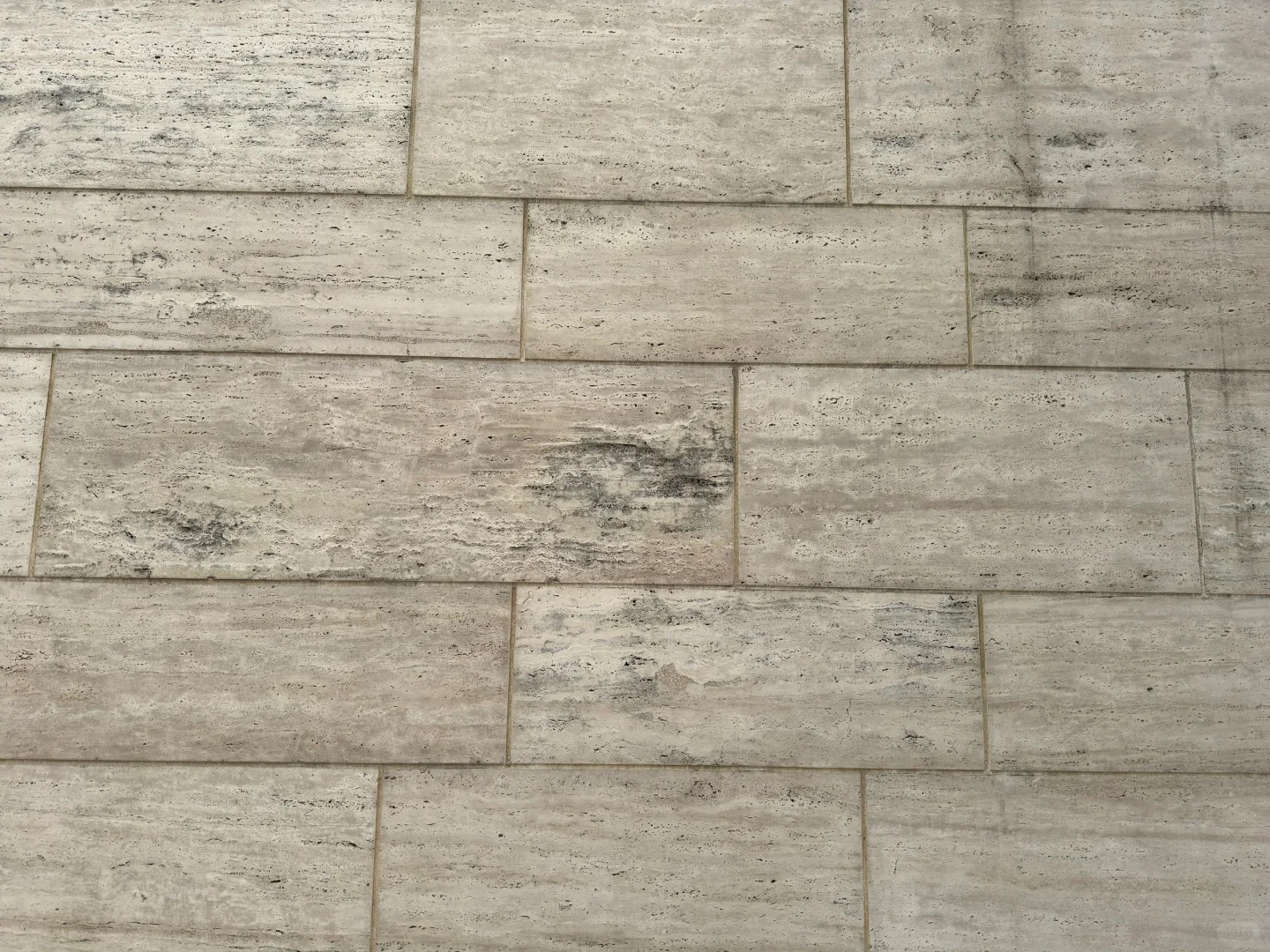
Travertine is beautiful on walls — but floors and countertops tell a different story.
Travertine has been used in architecture for thousands of years. The Romans built the Colosseum with it. And yes, it is undeniably beautiful — that warm, honeyed limestone with its characteristic pits, swirls, and earthy tones creates a look that no other stone can replicate.
But here is the truth that many dealers will not tell you: travertine is one of the worst natural stone choices for flooring and countertops. Not because it is ugly. Because it is fundamentally unsuited for those applications.
Problem #1: Extreme Porosity — Water and Mold Nightmare
Travertine has a water absorption rate of 10–15%. To put that in perspective, granite absorbs 0.05–0.4%, marble absorbs 0.1–0.5%. Travertine is 25–300 times more porous than other common stones.
This porosity means:
- Every spill is an emergency. Red wine, coffee, oil, juice — these liquids do not sit on top of the stone. They are sucked into its microscopic pores within seconds.
- Water penetration leads to mold. In kitchens and bathrooms, water inevitably sits on floors and countertops. With travertine, that water soaks in and creates a damp environment inside the stone — the perfect breeding ground for mold and mildew. Once mold takes hold inside travertine, it is nearly impossible to fully remove.
- Moisture causes discoloration. Travertine develops dark, water-stained patches that spread over time, especially around sinks, dishwashers, and wet areas.
Problem #2: Filled vs. Unfilled — The Hidden Trap
Travertine naturally has large holes (called vugs). Most travertine sold today is “filled” — these holes are filled with cement, epoxy, or resin at the factory. Many buyers think this solves the porosity problem.
It does not.
The factory filling only addresses the large visible holes. The microscopic pores throughout the entire stone remain completely open. More importantly:
- The filler material (cement or epoxy) has a different expansion rate than the natural stone around it
- Over time, temperature changes and moisture cause the filler to expand, contract, and crack
- Once the filler cracks, moisture seeps in, and the filler itself can grow mold and mildew
- The epoxy fillers used in factory-filled travertine can yellow and discolor with UV exposure and age
- Refilling holes after polishing is nearly impossible without professional equipment
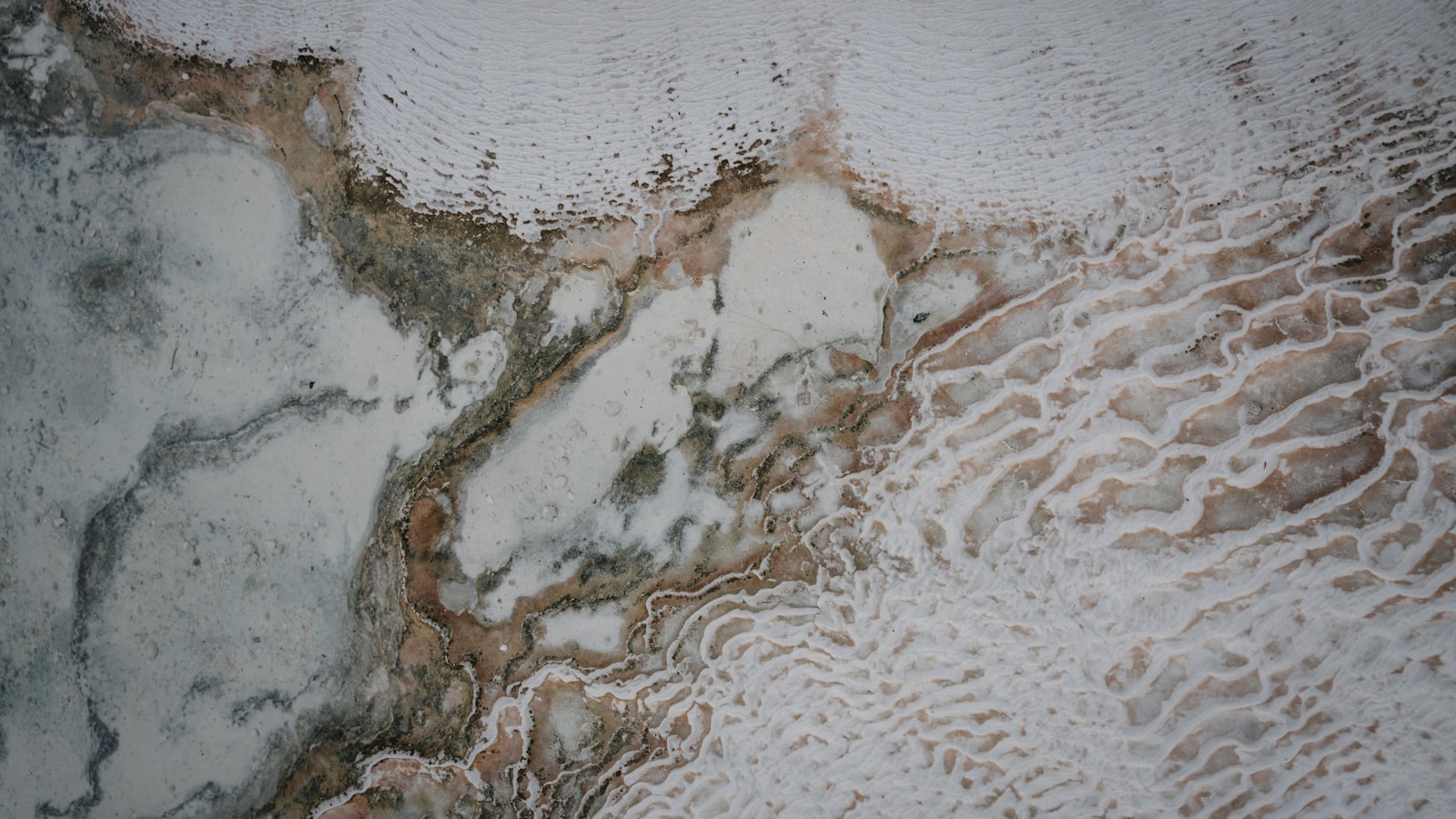
The large holes (vugs) in travertine are filled at the factory, but the microscopic porosity remains — and the filler itself can fail over time.
Problem #3: Too Soft for Traffic & Daily Use
Travertine has a Mohs hardness of 3 — about the same as a fingernail. For comparison:
| Material | Mohs Hardness |
|---|---|
| Travertine | 3 |
| Marble | 3–4 |
| Granite | 6–7 |
| Quartzite | 7 |
| Quartz (engineered) | 7 |
What does this mean in practice?
- Sand and grit tracked in on shoes (quartz-based, hardness 7) will scratch travertine floors with every step
- Dropping a fork can chip a polished travertine countertop
- Dragging a pan across a travertine countertop leaves permanent scratches
- High heels can dent a travertine floor (yes, really)
- Pets’ nails leave scratch marks over time
Problem #4: Acid Sensitivity — Etching in Seconds
Travertine is calcium carbonate — it chemically reacts with acid. Unlike staining (which can sometimes be cleaned), etching is a permanent chemical burn that removes the polished surface.
Everyday substances that etch travertine:
- Lemon juice — etches in under 30 seconds
- Vinegar — instant etching
- Wine — 1–2 minutes
- Tomato sauce — 2–5 minutes
- Orange juice, soda, coffee — 5–10 minutes
- Many all-purpose cleaners contain citric or phosphoric acid
For a kitchen countertop, travertine is simply unusable unless you never cook with tomatoes, citrus, wine, or coffee — which is unrealistic.
Problem #5: High Maintenance & Short Lifespan
Travertine flooring requires:
- Sealing every 6–8 months — more often in high-traffic or wet areas
- pH-neutral cleaner only — no bleach, no vinegar, no generic all-purpose cleaner
- Immediate spill cleanup — every single time, forever
- Gentle cleaning tools — no abrasive pads, no vacuums with beater bars
- Frequent re-polishing — polished travertine loses its shine in high-traffic areas within 1–2 years
Most homeowners are not prepared for this level of maintenance. After a few years of neglected care, travertine floors become dull, stained, etched, and moldy — requiring expensive professional restoration or replacement.
The Verdict: Travertine Belongs on Walls

On walls, travertine shines — without the wear, staining, and maintenance problems of floors or countertops.
Here is where travertine actually works well:
| Application | Recommended? | Why |
|---|---|---|
| Feature walls | Yes | No spills, no foot traffic, no scratching — travertine’s beauty is safe on walls |
| Bathroom walls (dry areas) | Yes | Far from water sources, it adds warmth and texture |
| Fireplace surrounds | Yes | Low-contact, decorative use where durability is not critical |
| Outdoor wall cladding | Yes (warm climates) | Vertical surfaces shed water and avoid freeze-thaw damage |
| Flooring (low traffic) | Caution | Only if you accept 10x the maintenance of granite or porcelain |
| Kitchen countertops | No | Acid etching, staining, and mold risk make it unsuitable |
| Bathroom floors | No | Constant moisture + porous stone = guaranteed mold problems |
| Kitchen flooring | No | Spills, dropped items, and foot traffic destroy it quickly |
Alternatives to Travertine for Floors & Countertops
| Stone | Hardness | Stain Resistance | Etch Resistance | Maintenance |
|---|---|---|---|---|
| Granite | 6–7 | Good | Excellent | Low |
| Quartzite | 7 | Good | Good | Low |
| Marble (honed) | 3–4 | Fair | Poor | Moderate |
| Porcelain tile (travertine-look) | 7+ | Excellent | Excellent | Very low |
| Quartz (engineered) | 7 | Excellent | Excellent | Very low |