
Italian White Marble Care Guide
How to protect and maintain your Carrara, Statuario, and Calacatta marble
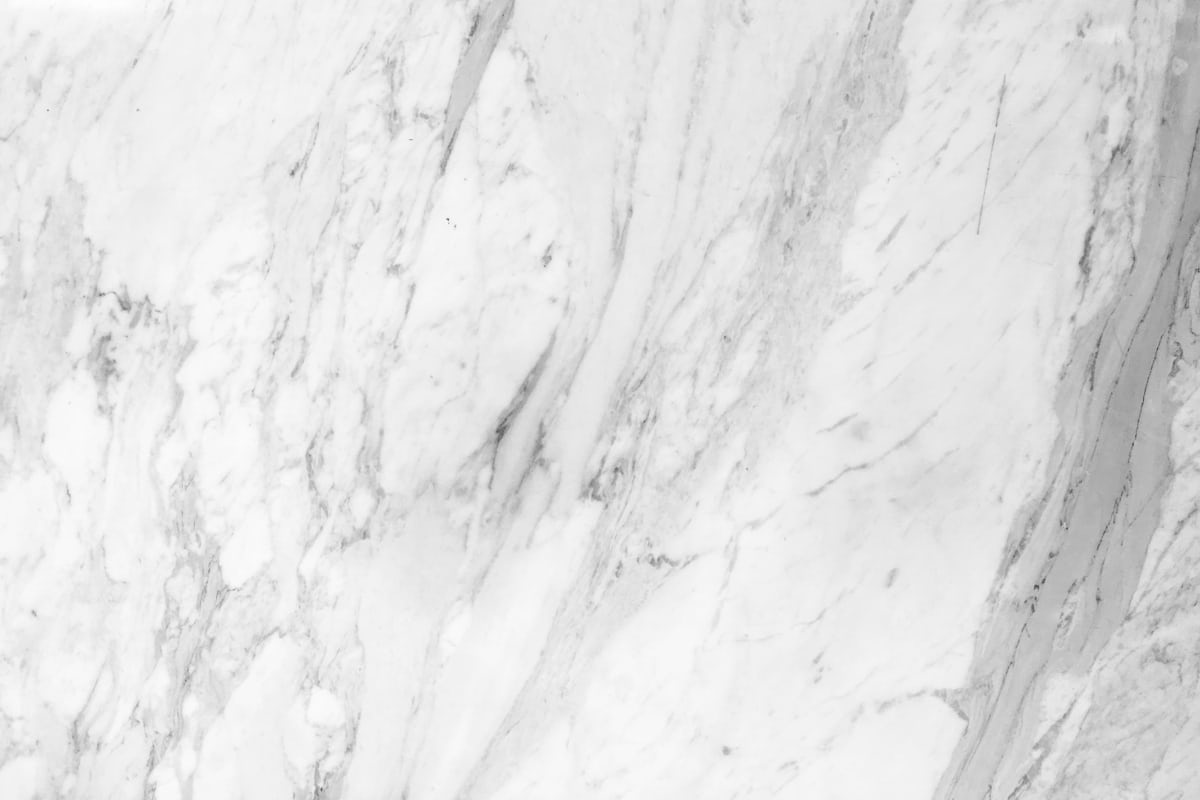
Italian white marble is prized for its luminous beauty — but it requires regular care to stay pristine.
Italian white marble — whether Carrara, Statuario, or Calacatta — is one of the most sought-after natural stones in the world. Its bright white background, dramatic veining, and timeless elegance have graced the homes of royalty, the halls of museums, and the finest modern interiors.
But there is a reason it is considered a luxury material: it is soft, porous, and requires consistent care. Unlike granite or quartz, Italian white marble will stain, etch, and scratch if not properly maintained. This guide will teach you exactly how to care for it so it stays beautiful for a lifetime.
Understanding Italian White Marble
The three most popular Italian white marbles share similar properties but have distinct characteristics:
| Type | Background | Veining | Hardness | Care Level |
|---|---|---|---|---|
| Carrara | Soft grayish-white | Fine, dense gray veins | Moderate | Standard |
| Statuario | Pure bright white | Bold, dramatic gray veins | Softer | High — etches and stains easily |
| Calacatta | Warm white / ivory | Thick gold/gray veins | Moderate | Standard |
Daily Care & Cleaning
The Golden Rules:
- Use pH-neutral cleaner only — Use warm water with a few drops of mild dish soap, or a dedicated stone-safe pH-neutral cleaner. Never use vinegar, lemon, bleach, ammonia, or all-purpose cleaners.
- Wipe spills immediately — Acidic liquids (wine, coffee, citrus, tomato) will etch the surface within minutes. Blot with a soft cloth — do not wipe or spread.
- Use a soft cloth — Microfiber or soft cotton only. No abrasive sponges, no paper towels with rough texture.
- Dry the surface — After cleaning, dry with a separate soft cloth to prevent water spots.
| Safe to Use | NEVER Use |
|---|---|
| pH-neutral stone cleaner | Vinegar or lemon-based cleaners |
| Warm water + mild dish soap | Bleach, ammonia, Windex |
| Rubbing alcohol (diluted 1:4) | CLR, bathroom mold removers |
| Soft microfiber cloth | Scouring pads, steel wool |
Sealing: The Most Important Step
Italian white marble must be sealed to protect it from stains and moisture penetration. Unsealed marble is like a sponge — it will absorb liquids within seconds.
How often to seal:
- Kitchen countertops: Every 6 months
- Bathroom vanity: Every 6–8 months
- Flooring (low traffic): Every 9–12 months
- Flooring (high traffic): Every 6 months
How to test if your marble needs sealing:
Sprinkle a few drops of water on the surface. If the water beads up, the seal is working. If it absorbs and darkens the marble within 30 seconds, it is time to reseal.
Preventing Etching & Staining

Etching is permanent surface damage caused by acid — it cannot be wiped or washed away. Prevention is the only real solution.
What causes etching:
Etching occurs when acidic substances chemically react with the calcium carbonate in marble, dissolving the polished surface. Unlike a stain, etching is permanent physical damage that changes the texture of the stone.
- Lemon juice — etches in under 1 minute
- Vinegar — instant
- Red wine — etches within 2–5 minutes
- Tomato sauce — 5 minutes
- Coffee — 10–15 minutes
- Soda & citrus juice — 5–10 minutes
How to protect your marble:
- Use coasters under all drinks — especially wine, cocktails, and citrus beverages
- Use trivets under hot pots, pans, and serving dishes
- Use cutting boards — never cut directly on marble
- Use placemats for dining to catch spills before they reach the stone
- Wipe up spills immediately — do not let any liquid sit on marble
Removing Stains
- Mix a white absorbent powder (baking soda, diatomaceous earth, or cornstarch) with a cleaning agent to form a peanut-butter-like paste
- For oil stains: Use acetone or mineral spirits
- For organic stains (coffee, wine, food): Use 12% hydrogen peroxide
- For rust or ink: Use a commercial stone-safe stain remover
- Apply the paste 1/4 inch thick over the stain, extending 1 inch beyond the stain edge
- Cover with plastic wrap and tape the edges
- Let sit 24–48 hours to dry and draw out the stain
- Remove the dried paste, rinse with clean water, and dry
- Repeat if needed, then reseal the area
Fixing Etching & Scratches
| Problem | DIY Fix | Professional Fix |
|---|---|---|
| Light etching (dull white mark) | Buff with marble polishing powder | Re-polish with diamond pads |
| Deep etching (visible depression) | Not recommended at home | Re-hone and re-polish |
| Light surface scratches | 2000-grit wet sandpaper + polish | Professional honing |
| Deep scratches or chips | Color-matched epoxy filler | Resin injection + re-polish |
Long-Term Maintenance Schedule
| Frequency | Task |
|---|---|
| Daily | Wipe with soft damp cloth + pH-neutral cleaner; dry immediately |
| Weekly | Deep clean with stone-safe cleaner; inspect for stains or etching |
| Monthly | Check sealer effectiveness with water test |
| Every 6 months | Reseal countertops and high-traffic areas |
| Every 12 months | Reseal all marble surfaces; professional inspection for damage |
| As needed | Professional re-polishing to restore original gloss and remove accumulated wear |
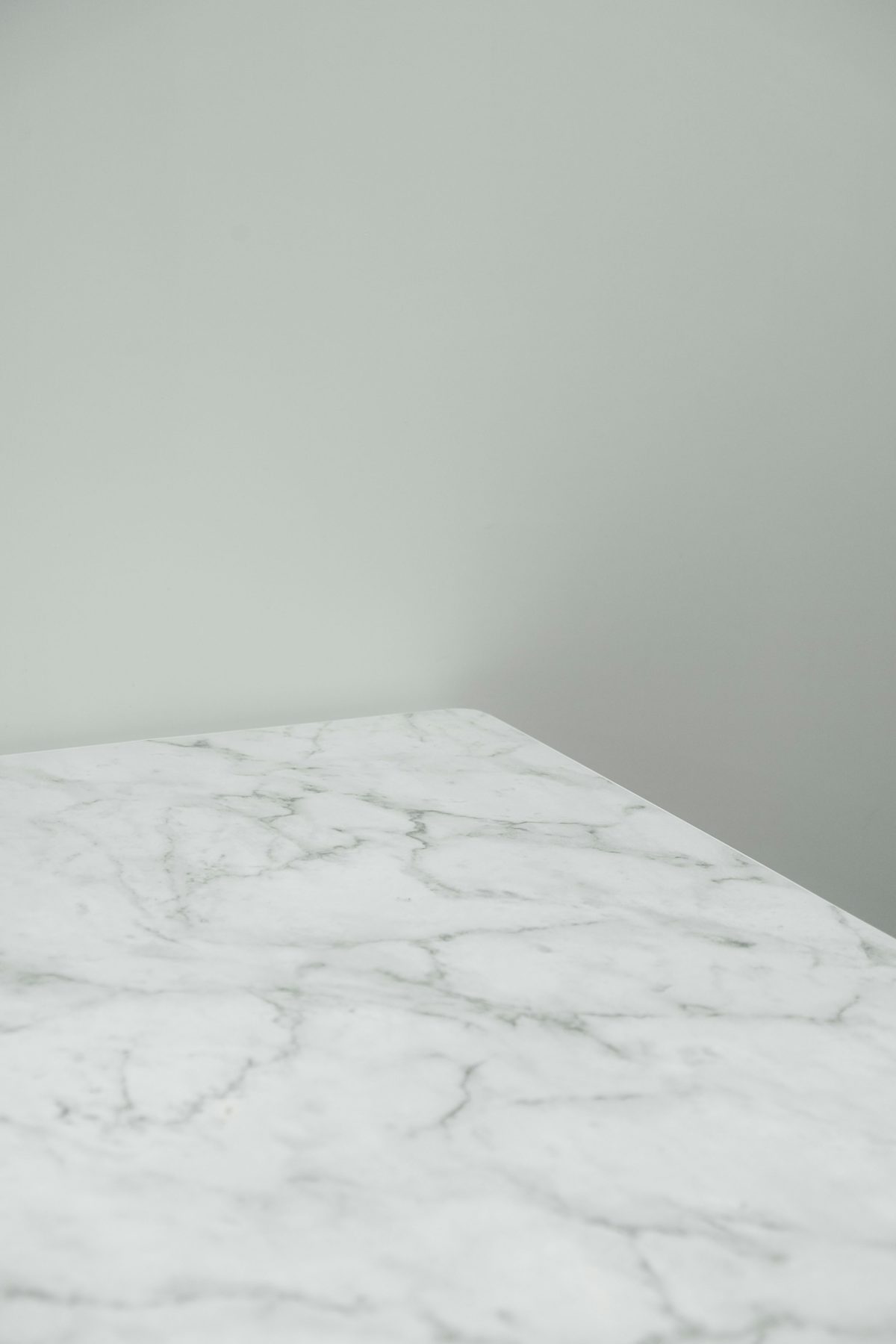
With proper care, Italian white marble can retain its beauty for decades.
Common Mistakes to Avoid
- Using vinegar as a cleaner — This is the most common and most damaging mistake. Vinegar instantly etches marble.
- Letting spills sit — Even water can leave marks if left on marble for extended periods.
- Using paper towels — Some paper towels are abrasive enough to create micro-scratches on polished marble. Use soft microfiber cloths.
- Skipping the sealant — Unsealed marble is extremely vulnerable to stains.
- Placing hot items directly on marble — Heat can cause thermal shock, cracks, and discoloration.
- Using wax or oil-based polishes — These can yellow and discolor white marble over time.
- Dragging heavy objects across marble floors — Always lift, never drag, and use protective felt pads under furniture.